
Emotion-Focused Therapy Anxiety: Science-Backed Strategies for 2026 (High-Achieving Professionals)
Emotion-Focused Therapy (EFT) can help anxiety when worry is driven by emotional avoidance, shame/self-criticism, or relational threat—common patterns in high-achieving professionals. EFT targets the emotional “engine” beneath anxiety (primary vulnerable emotions and unmet needs), then builds adaptive emotional responses. EFT models exist for social anxiety and generalized anxiety. Before we start: which “EFT” do you […]
What Is Burnout in Counseling? ICD‑11 Definition, Red Flags, and a Practical Recovery Plan
Burnout in counseling is a work‑related syndrome caused by chronic workplace stress that hasn’t been successfully managed. The WHO ICD‑11 describes three dimensions: exhaustion, mental distance/negativism or cynicism, and reduced professional efficacy—and notes burnout applies specifically to the occupational context. For counselors, it can show up as emotional depletion, detachment, and reduced clinical presence. What […]
Role of the Therapist in CBT: What They Do Each Session (and Why It Works)
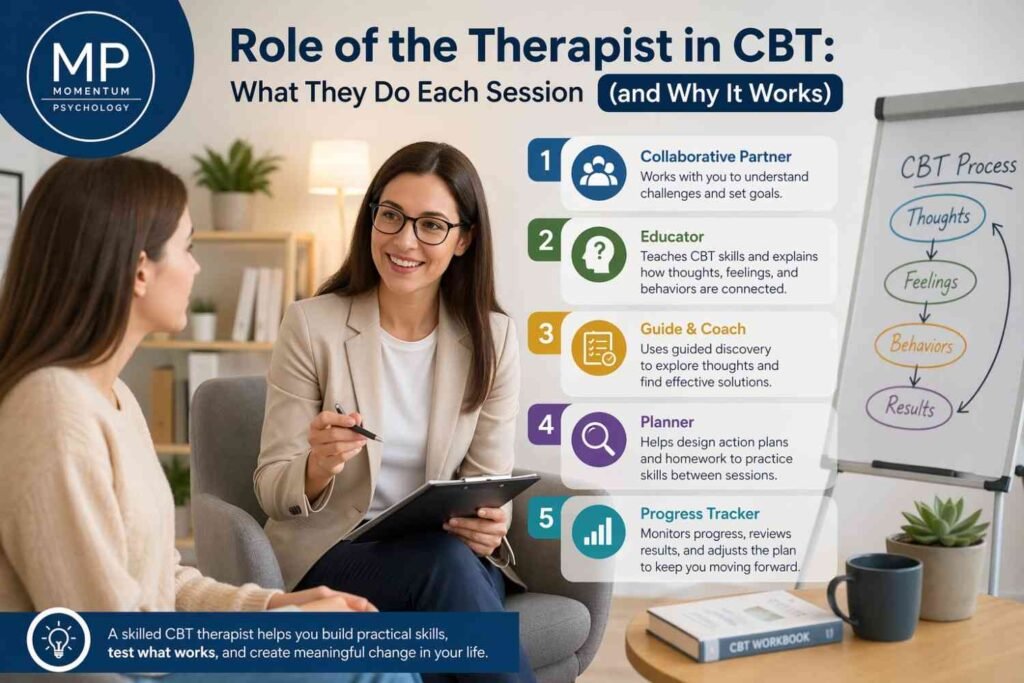
In cognitive behavioral therapy (CBT), the therapist acts as a collaborative coach: they build a shared case formulation, set goals, structure sessions with an agenda, teach skills through guided discovery, design behavioral experiments and homework, and track progress so the client learns to become their own therapist. CBT in one sentence (so the role makes […]
How to Discuss Boundaries in a Relationship: Scripts, Examples, and What to Say

The best way to discuss boundaries in a relationship is to talk about them early, be specific about what you need, and focus on what you will do rather than trying to control the other person. Healthy boundary conversations usually work best when they are calm, direct, and respectful. NHS guidance on healthy relationships encourages […]
How to Regain Motivation at Work: 9 Evidence-Based Ways to Get Unstuck
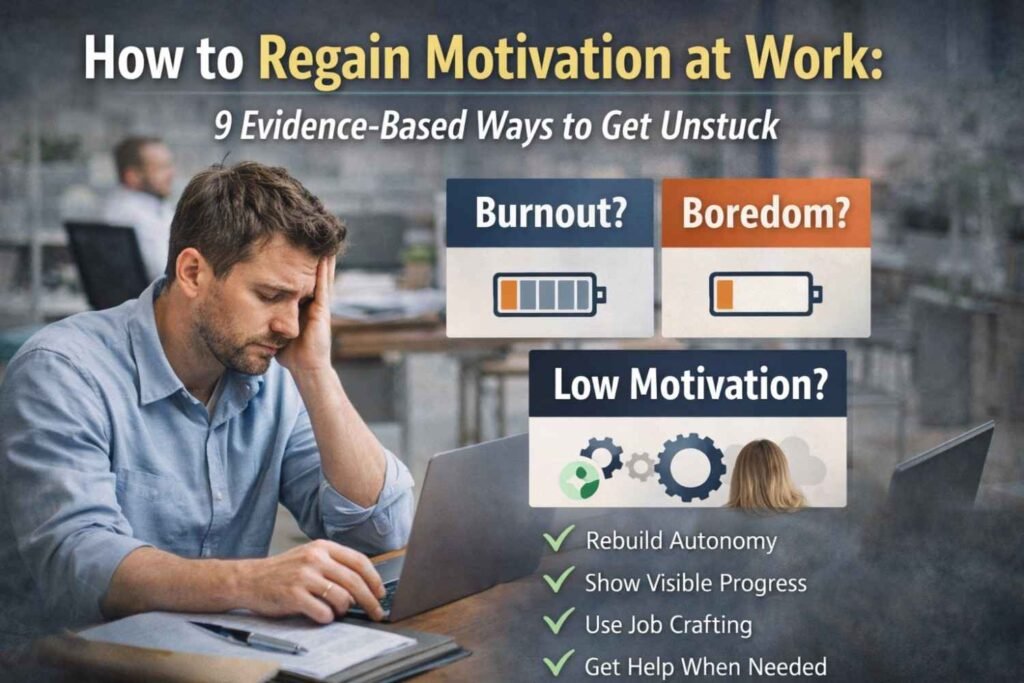
If you have lost motivation at work, the problem is usually not laziness. It is more often a signal that something important has broken down — such as energy, autonomy, progress, meaning, support, or recovery. The fastest path back is to identify which of those is missing, fix one part of the system first, and […]
What Assessments Are Used to Diagnose ADHD? Screening Tools, Rating Scale
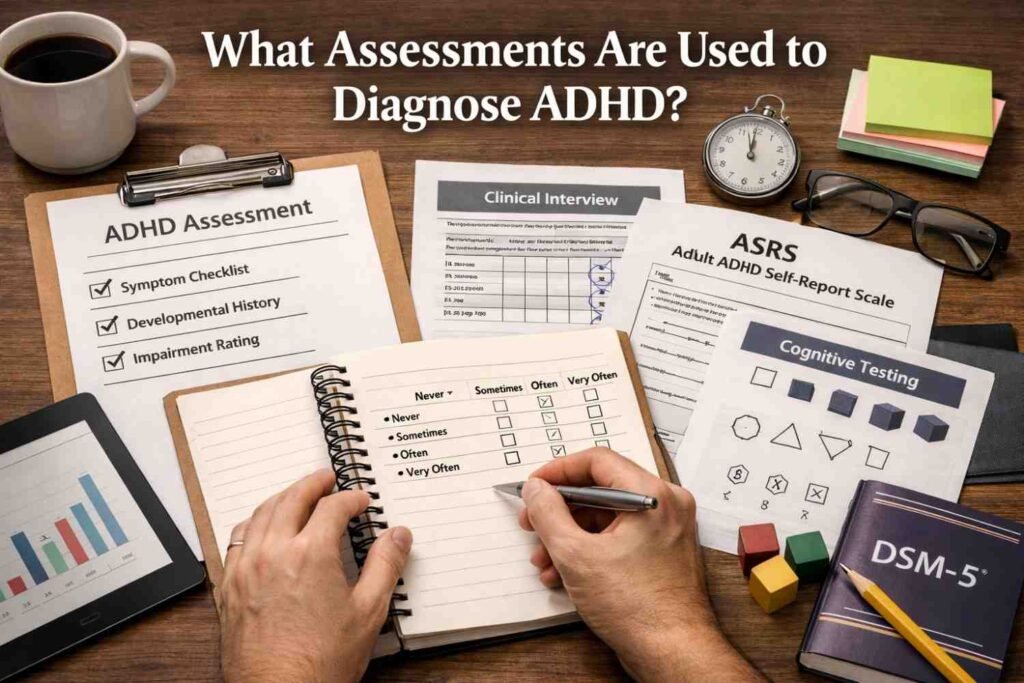
ADHD is not diagnosed with one quiz, one brain scan, or one short conversation. A proper evaluation usually includes a detailed clinical interview, a review of symptoms over time, rating scales, developmental history, evidence that symptoms affect daily life, and screening for other conditions that can look like ADHD. If you are trying to understand […]
Acceptance and Commitment Therapy for Anxiety | Momentum Psychology
Anxiety is a normal human emotion. But anxiety disorders involve more than occasional stress or worry. They can persist, intensify over time, and start interfering with work, relationships, sleep, decision-making, and everyday life. Acceptance and Commitment Therapy, or ACT, is one evidence-based approach that can help. Instead of teaching you to wait until anxiety disappears […]
How Long Does Trauma Therapy Take for a Child or Teen? A Parent Guide

For many children and teens, trauma therapy takes weeks to months, not days. A structured, evidence-based approach like trauma-focused CBT may be delivered in 6 to 12 sessions in guideline-style care, while broader TF-CBT practice literature often describes 8 to 25 sessions, with more complex trauma cases commonly landing closer to the longer end. EMDR […]
Helping Kids & Teens with Anxiety: Parent Guide + 9 Scripts That Work
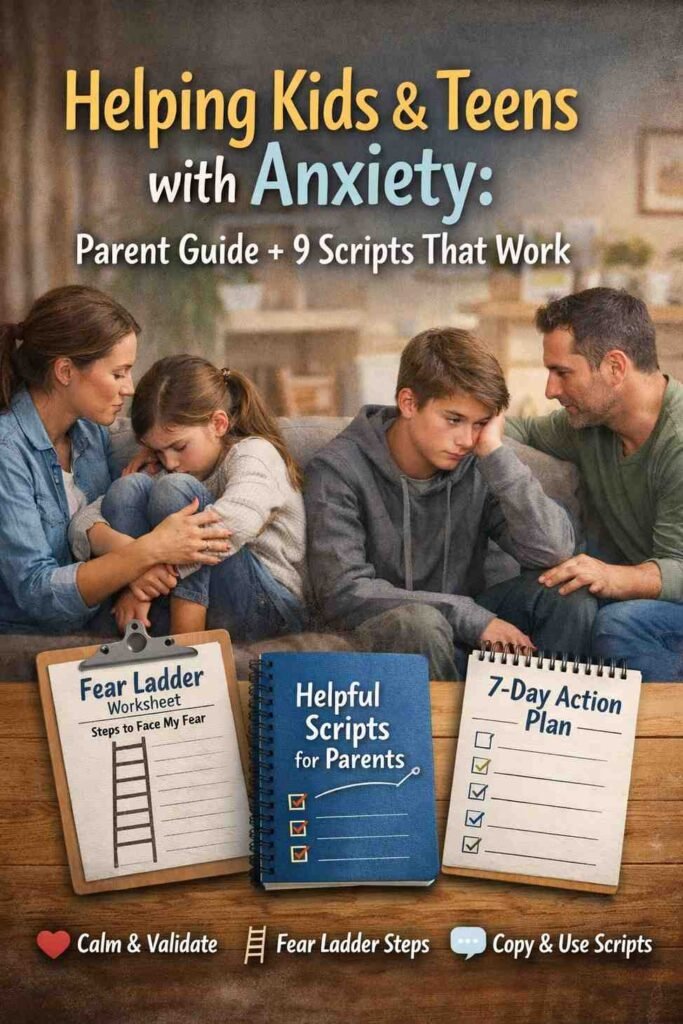
If your child or teen is anxious, your job is not to erase anxiety in the moment. Your job is to calm without feeding avoidance and teach “brave reps” over time. Use this 3-step loop: Regulate (your calm is the cue) Validate (feelings make sense; fear isn’t the boss) Coach one small next step (graded […]
Light Therapy for Depression and Anxiety: Common Mistakes and How to Avoid Them
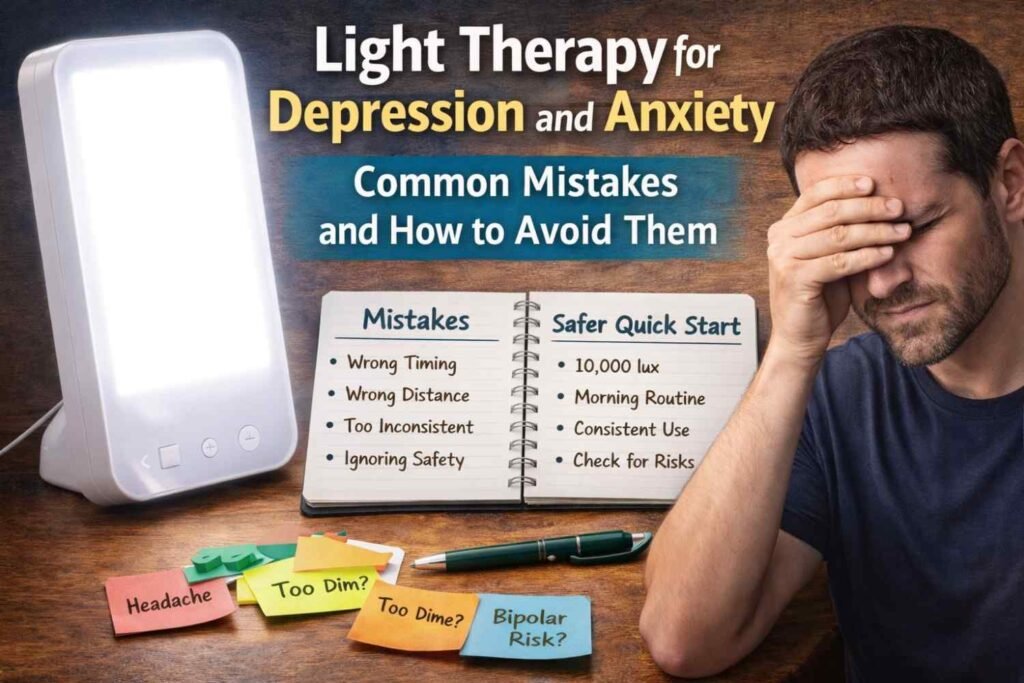
Bright light therapy works best when you treat it like a dose: right intensity, right timing, consistent routine. For many people, that means a 10,000-lux, UV-filtered light box, used in the morning for about 20–30 minutes, positioned ~16–24 inches from your face with eyes open but not staring directly at the light. What this guide […]